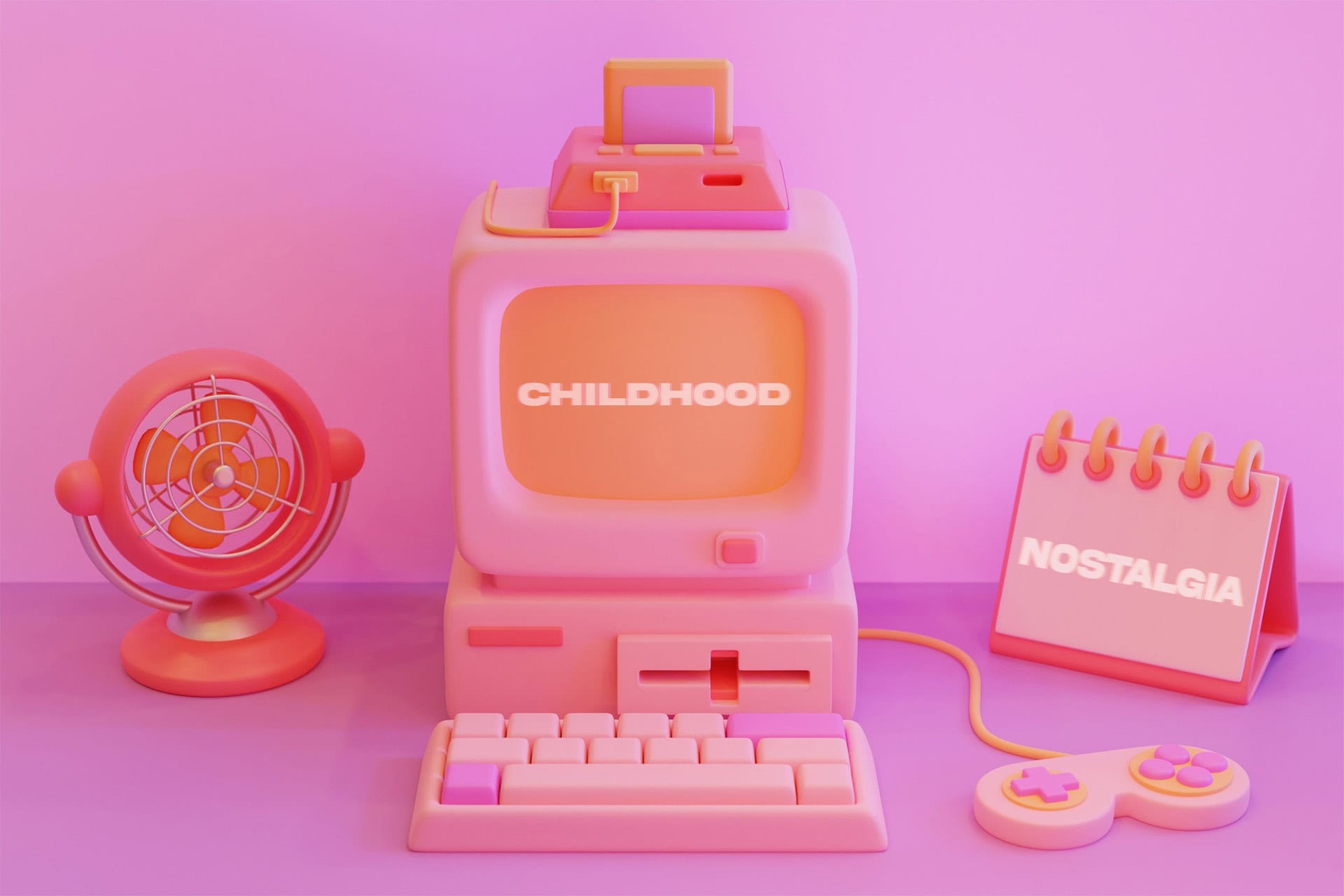
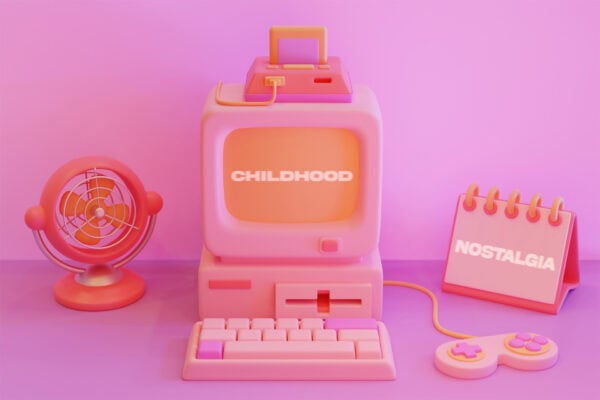
Lately, I’ve caught myself replaying childhood games.
Not in a “I’m bored, let’s kill time” type of way.
I reopened them like someone revisiting a hometown, slightly nervous, slightly hopeful, wondering if the air would feel the same.
And I couldn’t help but wonder:
As kids who desperately wanted to grow up… why are we now voluntarily walking back into pixelated versions of our past?
I realized I missed her. The version of me whose biggest responsibility was feeding a virtual pet. The one who felt safe, free, and weirdly confident about her ability to run an entire imaginary fashion empire.
As children, time passed slower, summer lasted a lifetime, but we were always in a hurry. We wanted to be older, taller, trusted. We counted our birthdays like milestones toward freedom.
This is not surprising at all given the media we consumed, and the general idea it gave us about adulthood. We were promised endless adventures, a control over our life, financial stability and a world that is waiting for you. A world that sadly, no longer exists.
Childhood Media as Emotional Teachers

For us 2000s kids, adulthood didn’t look busy, hectic or administrative. It looked pink, magical, fashionable and somehow always manageable. After a long school day, or endless fun on the playground with our friends, the worlds of Barbie games, Bratz, SpongeBob SquarePants, Hannah Montana, Wizards of Waverly Place, and The Suite Life of Zack and Cody were here to keep us company and teach us about life.
Barbie CD – ROM Games
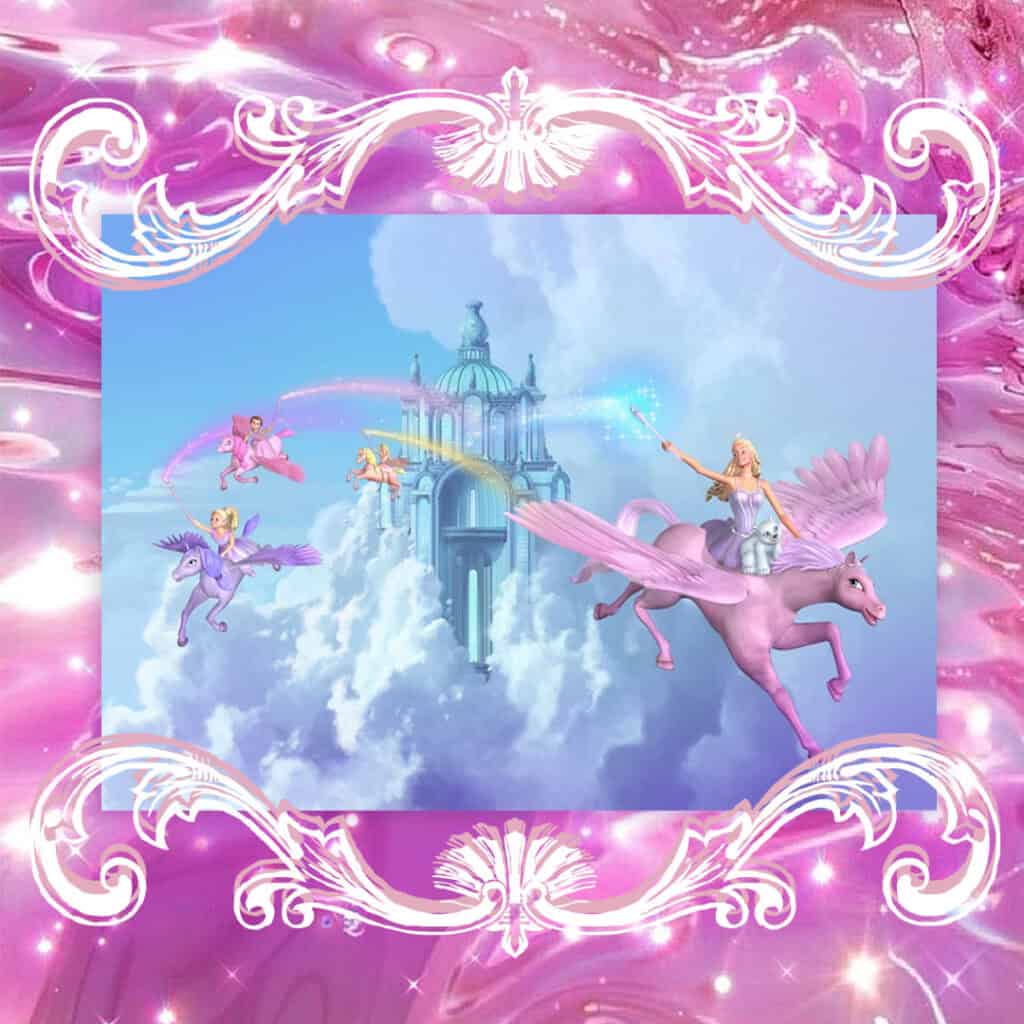
Before Barbie.com, there were the CD-ROMs. Games like Barbie Fashion Designer, Barbie Secret Agent, and Barbie as Rapunzel turned the family computer into an interactive fantasy space where ambition felt immediate, stylish, and entirely within reach.
Astronaut on Monday. Veterinarian by Wednesday. Fashion mogul by Friday. And somehow still available for beach parties.
What these games have in common is you start as a designer, a secret agent and an artist. You don’t need the years of experience to be able to do these jobs.
In Barbie Fashion Designer you can just let the creativity flow, and create clothes to your liking. In Barbie Secret Agent you take a brief training and voila! You can go to missions immediately and learn from experience, instead of needing one in order to start. In Barbie as Rapunzel, art is the solution to everything. With a paintbrush you can paint all the gloominess away. It is like a magic wand that lets you create the reality in the game as you wish.
No rejection emails.
No unpaid internships.
No “We’ve decided to move forward with other candidates.”
Just vibes with a sprinkle of glitter.
I would like to see Barbie set up A LinkedIn account and figure out an algorithm.
Bratz and the Aesthetics of Girlhood
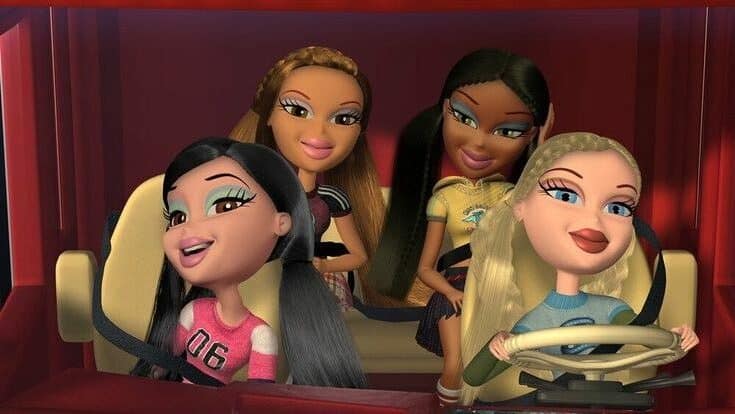
When Bratz arrived in the early 2000s with their almond eyes, platform boots and shiny lipgloss they did more than disrupt the long standing reign of Barbie.
Unlike Barbie, they did not present idolized dreams and the happily ever after, instead they offered a version of growing up rooted in self styling, loyal friendships, and the idea that identity is something you construct rather than inherit.
The Bratz girls ran a magazine, navigated friendships and dealt with heated rivalry all by themselves. Adults did not meddle but were rather in the background. Their famous slogan, ‘The Girls with a Passion for Fashion” made a quite important mark – fashion is not shallow, it is a form of self-expression.
SpongeBob: Joyful Labor Without Economic Weight
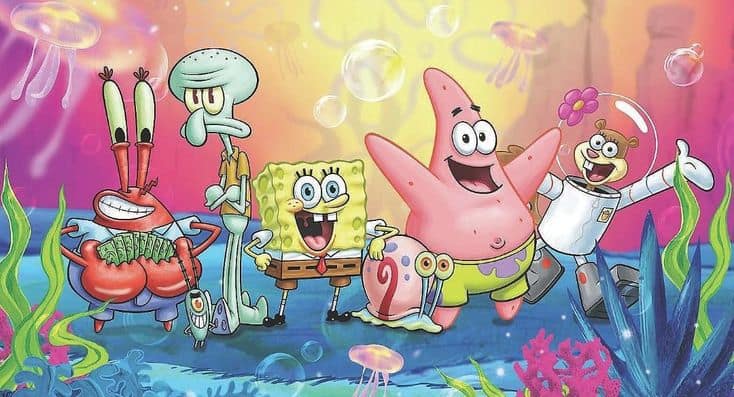
If toxic positivity had a pineapple under the sea, it was SpongeBob SquarePants.
SpongeBob works a fast-food job. He wakes up thrilled. He sings on the way to work. He adores his grill like it’s a sacred calling. He is the only fictional minimum-wage employee who has never tweeted “I’m tired.”
This was the ultimate 2000s labor fantasy.
Working alongside grumpy Squidward while serving hard and dramatic customers did not change SpongeBob’s positivity at all. Burnout did not exist. He clocked out and immediately had the emotional energy to jellyfish with his best friend.
Now it is a running joke that we have all turned out to be like Squidward after growing up. Rewatching the cartoon as an adult is like seeing it with a different set of eyes. Your perspective changes completely.
Wizards of Waverly Place
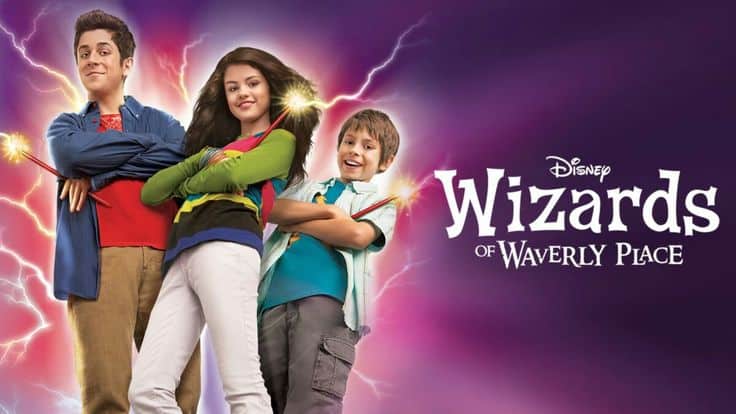
If any show embodied the 2000s belief that procrastination and sarcasm were just misunderstood genius, it was Wizards of Waverly Place.
At its core, the show delivered one of the most intoxicating fantasies ever handed to a pre-teen brain: you are not average…you are dramatically under-discovered. You’re just one wizard competition away from fulfilling your real destiny.
Alex Russo was a procrastinator who bent rules and used magic to fix her homework, reverse embarrassment, and occasionally cause small-scale reality collapses. You’d think there would be consequences and lessons-learned. Nope.
Bad at school? Doesn’t matter. You’re secretly powerful.
Feeling misunderstood? That’s because you’re different in a special way.
Made a mistake? Reset spell. Try again next episode.
This girl never had a real problem or challenge to worry about.
The Suite Life of Zack & Cody
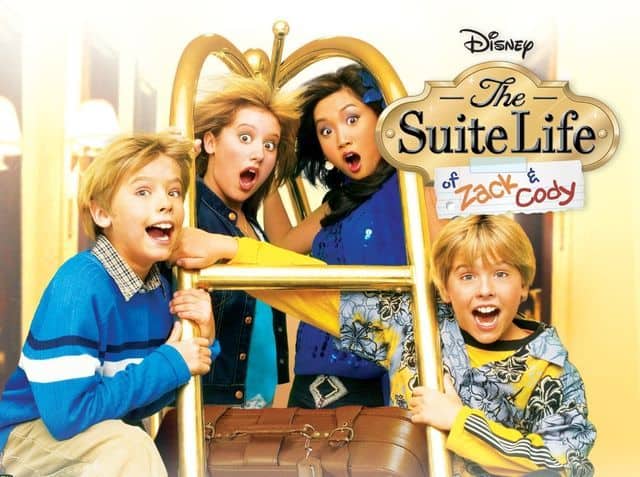
This show really said: What if you lived in a five-star hotel… but instead of paying rent, you just caused minor property damage weekly?
Now this one really made adulthood look glamurous. No one worried about bills. No one discussed how the hotel stayed operational despite weekly disasters. The boys launched food fights, sabotaged events, impersonated staff and the building still stood, the lights stayed on, and Mr. Moseby remained employed.
Consequences were theatrical, not structural. You might get grounded. You would not get evicted.
Being an adult is like being inside a missing hidden episode titled Suite Life: Rent Is Due.
Hannah Montana
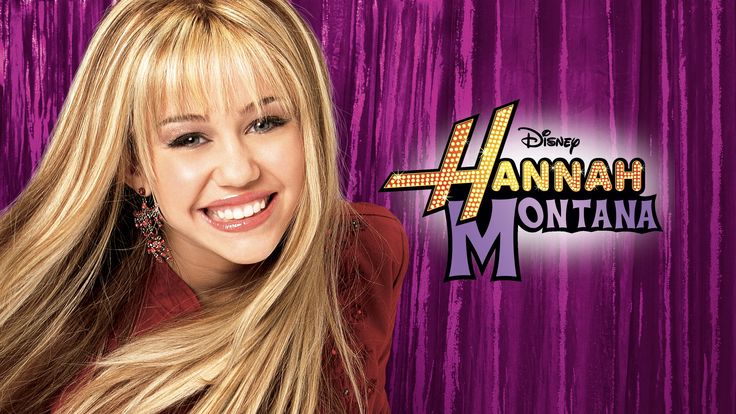
Hannah Montana really convinced an entire generation that adulthood was just a quick outfit or wig change away.
I’ve always felt the desire to do more than one thing, to explore different careers, nurture completely different passions without having to sacrifice one for the other. The thought of having something glamorous and exciting at night, and still keeping a calm, private, normal life during the day… that feels perfect to me.
It is not because I want to be famous, but because I don’t want to be limited. All this time in the world, only one life to live, and I should spend decades being good at only one thing? It hardly seems fair.
Growing up, we’re constantly asked what we want to “be.” Singular. As if choosing one path means closing the door on everything else. But some of us don’t feel singular. We feel layered.
Her double life remains appealing even today.
The Truth About Nostalgia
Everyone swears life was best at 16 or 17. Or even earlier, during childhood “before everything got complicated.” We romanticize a specific year like it was a golden era of civilization. But if we’re honest, it wasn’t the time period that was the peak of our existence but the lack of responsibilities, time was on our side, and you could allow yourself to be care-free.
If you were to ask your parents what the best time to live was, they will probably tell you back when they were kids/teens.
Nostalgia is something we all collectively experience, and it has nothing to do with a specific era, nor with how different the new generations are.
We are quick to judge the new generation, like the generations before us did with us. While we find “skibidi toilet” cringe, it will be something generation alpha will revisit in aduthood as a funny experience they got to laugh with their friends at, and it will be a good memory. They have their own brainrot and we have ours.
In Conclusion
Since we all experience Nostalgia differently, I dedicate this post to you Gen Z and Millenials.
To the ones who log back into childhood games “just to check something” and stay for two hours.
To the ones who rewatch a random episode of a 2000s show and suddenly feel their nervous system relax.
To the ones who swear music sounded better, summers were longer, and life felt lighter (even though realistically, we know every era has its mess).
You don’t need to outgrow the younger version of you completely. I say bring it along! The old imagination, boldness, and the delusional confidence that we could be five things at once into a world that keeps trying to make us smaller.
If childhood interests help you regulate your nervous system, nurture your inner child, and give you the spark you crave, you are seen, understood and you are not alone. Here is to us surviving in a world we weren’t prepared for! You are doing an amazing job.

Leave a Reply